
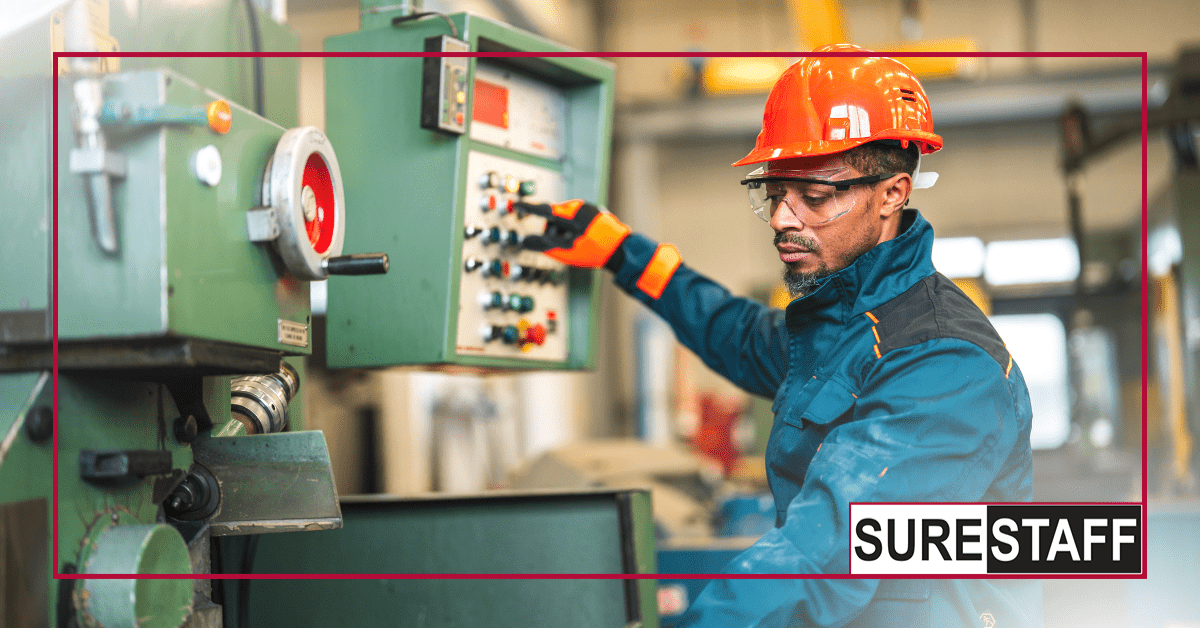
Machine Operator Hiring: Why It’s So Tough and How to Fix It
Machine operator roles are among the toughest to fill—yet the shortage isn’t just about candidate supply. Most hiring stalls because process, expectations, and scheduling don’t match the realities of today’s labor market. Fix a few levers, and your pipeline—and production—stabilizes.
Why Machine Operator Hiring Stalls
Hiring struggles usually come from chasing the same narrow pool while overlooking adjacent talent and practical training windows. Employers also underestimate how quickly strong candidates make decisions and what they value besides pay.
Where Employers Lose Operators
- Overly specific experience requirements: Job ads read like equipment manuals instead of day-one essentials, shrinking the funnel to a handful of resumes.
- Slow feedback after interviews: Operators field multiple offers; delays signal disorganization and push them elsewhere.
- Shift structures that don’t match local expectations: Rigid start times, no differentials, or off-pattern rotations depress acceptance and early attendance.
What Operators Actually Look For
Operators choose predictability over promises.
- Consistency: Clear schedules, posted calendars, and stable assignments.
- Clear expectations: What “good” looks like by week two and week four.
- Reasonable training: Structured ramp plans and a named buddy or trainer.
- Predictable pay: Transparent differentials and overtime windows. Small pay gaps rarely beat reliable hours, respectful supervision, and clean, safe workstations.
How to Widen the Talent Pool
Shift from “perfect resume” to “proven aptitude.”
- Hire for capability: Mechanical aptitude, documentation accuracy, and problem-solving under pace.
- Use skills screens, not just titles: Changeover basics, measurement tools, SOP/standard work comprehension.
- Publish a training ladder: What is taught in week one, week two, and by day 30.
- Flex the schedule where it matters: Align starts to local transit, add differentials, or offer fixed over rotating patterns.
- Protect the first 30 days: Micro-training at the station, a buddy system, and fast coaching loops.
How SURESTAFF Supports Operator Hiring
SURESTAFF builds sustainable operator pipelines by aligning sourcing, screening, and deployment to real production needs.
- Pre-screened for trainability and reliability: Mechanical reasoning, documentation habits, and attendance history.
- Skills-based assessments: Set-up flow, basic troubleshooting, measurement tools, and line change support.
- Transportation-aware recruiting: ZIP-code targeting and, where feasible, carpool or shuttle coordination to stabilize attendance.
- Readiness before day one: Backgrounding, E-Verify, OSHA-aligned orientation, and station-specific micro-training to cut ramp time.
- On-site workforce management (optional): Daily huddles, skills-based station assignments, and rapid backfills so supervisors stay focused on throughput.
Fix Hiring Before Production Pays the Price
If operator hiring feels impossible, the problem may be the approach—not the market. Tighten requirements to what matters, move faster on decisions, align shifts to local realities, and hire for aptitude with a clear training plan. SURESTAFF can help you stabilize operator coverage, reduce overtime, and protect first-pass yield. Request an Employee or connect with our team through Contact Us to build an operator pipeline that keeps your lines running.